US sanctions 17 vessels, targeting remnants of Iran's shadow fleet
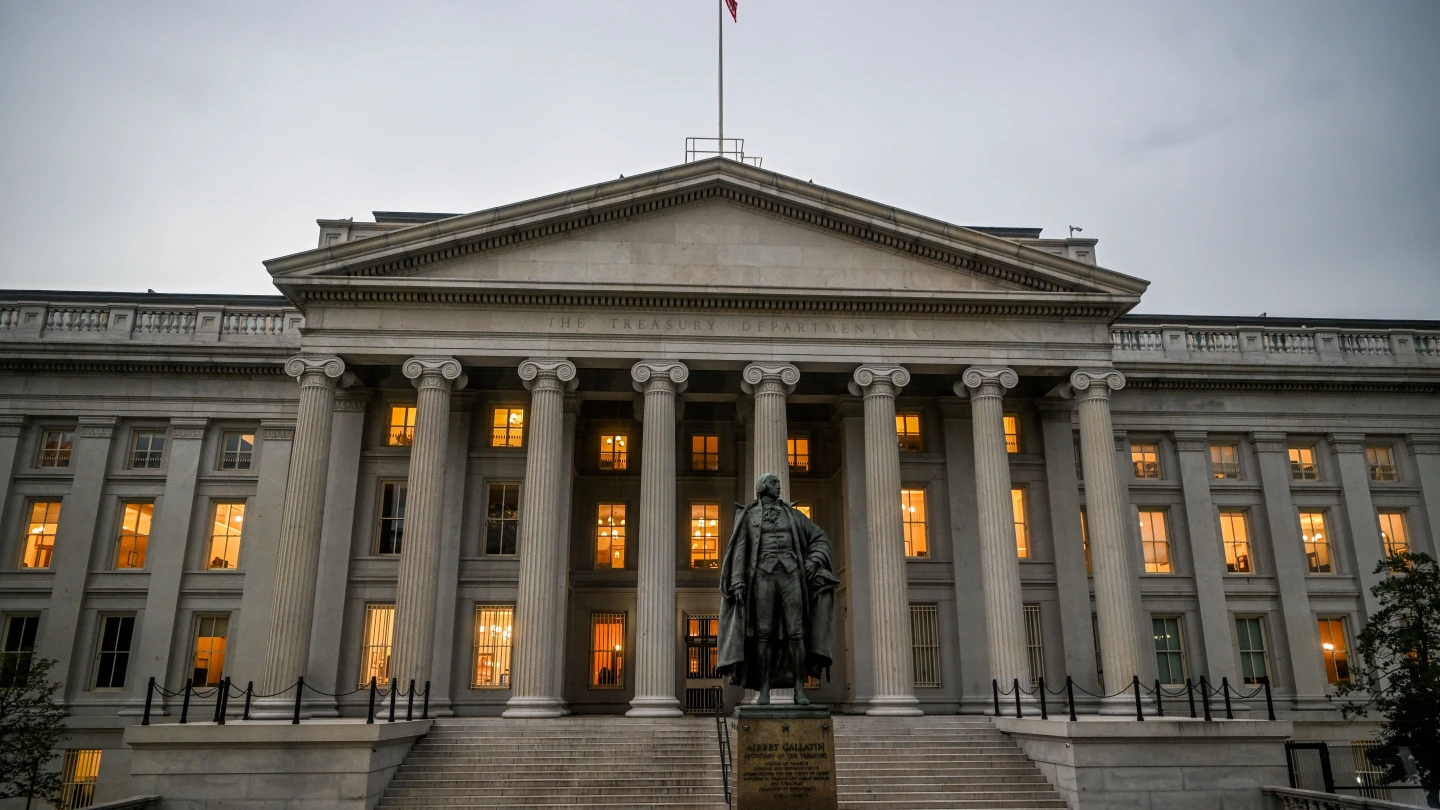
The US Treasury sanctioned 17 tankers and the companies operating them on 8 October, saying the action neutralises most of Iran's remaining shadow fleet. It came amid a US-Iran war and the same day Trump said he had ruled out further attacks before the midterms.
1 / 3
The story, neutrally told
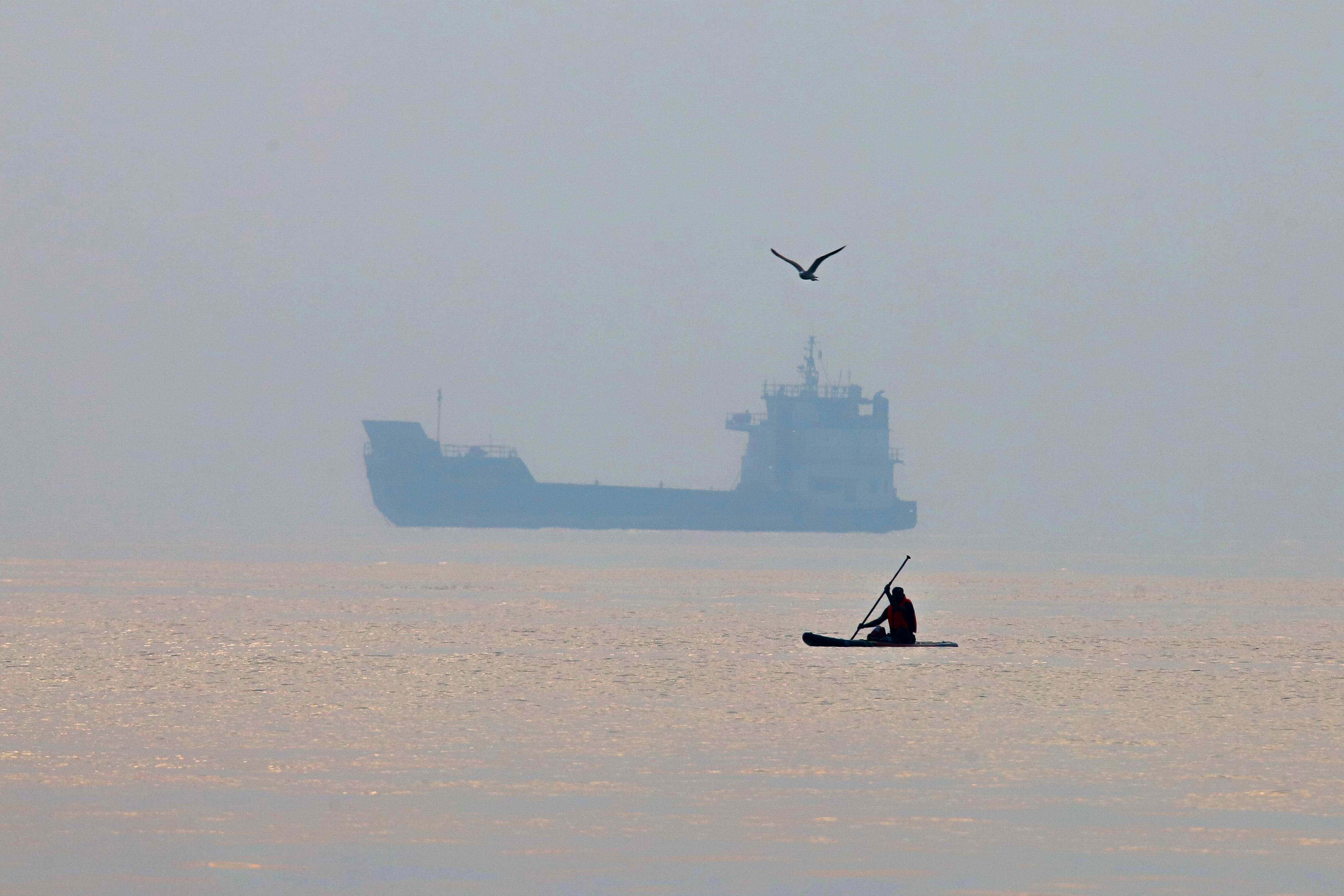
Right · 2The US Treasury Department said on Thursday 8 October that it was sanctioning "the remnants of Iran's shadow fleet", a network of tankers that carries Iranian oil and petroleum products to foreign markets. JNSR “it is sanctioning “the remnants of Iran’s shadow fleet”” Read at JNS ↗ Arab NewsRC “The United States imposed sanctions Thursday targeting “the remnants of Iran’s shadow fleet”” Read at Arab News ↗ Right · 2The action covers 17 vessels, which JNS says are registered in the Bahamas, Cameroon, Comoros, Gambia, Hong Kong, Mongolia, Palau, Panama, San Marino, Sierra Leone, Vanuatu and Zanzibar. AFP says they moved millions of barrels of Iranian crude, petroleum and petrochemical products to markets across South and East Asia. JNSR “The latest involves 17 vessels registered across the Bahamas, Cameroon, Comoros, Gambia, Hong Kong, Mongolia, Palau, Panama, San Marino, Sierra Leone, Vanuatu and Zanzibar.” Read at JNS ↗ Arab NewsRC “17 vessels said to have moved millions of barrels of Iranian crude oil, alongside petroleum and petrochemical products, to markets across South and East Asia.” Read at Arab News ↗ Right · 2Treasury designated companies that own or operate the vessels, accusing them of working in the petroleum or petrochemical sector of the Iranian economy. JNS puts the number of companies at 18. Arab NewsRC “The Treasury Department designated companies that own these vessels, accusing them of operating in the petroleum or petrochemical sectors of the Iranian economy.” Read at Arab News ↗ JNSR “Eighteen companies were designated for operating in the petroleum or petrochemical sector of the Iranian economy, the department said.” Read at JNS ↗
Right · 2Treasury said: "Today's action effectively neutralizes the vast majority of Iran's remaining shadow fleet network." Arab NewsRC ““Today’s action effectively neutralizes the vast majority of Iran’s remaining shadow fleet network,” the US Treasury Department said in a statement.” Read at Arab News ↗ JNSR ““Today’s action effectively neutralizes the vast majority of Iran’s remaining shadow fleet network,” the department stated.” Read at JNS ↗ Right · 2Treasury Secretary Scott Bessent said the government is "starving the tyrannical regime in Tehran of the money it uses to wage war in the region" and warned that "No enabler of Iranian sanctions evasion is safe from the full force of Treasury's authorities." JNSR ““No enabler of Iranian sanctions evasion is safe from the full force of Treasury’s authorities,” he stated.” Read at JNS ↗ Arab NewsRC “The aim is to deprive Tehran of funds needed to “wage war in the region,” added Treasury Secretary Scott Bessent.” Read at Arab News ↗ Right · 1According to JNS, Treasury also removed two vessels from the sanctions list after they left the shadow fleet and were sold to non-sanctioned or US-aligned operators. JNSR “Two vessels were also removed from the sanctions list “following a demonstrated change in circumstances” Read at JNS ↗
Right · 1JNS reports that the move is part of "Operation Economic Outcast", which relies on secondary sanctions, and that Treasury says Iranian oil shipments are at record lows, citing the success of a US military blockade. JNSR “Iranian oil shipments have been driven to record lows amid “Operation Economic Outcast,” which focuses on secondary sanctions”“With the success of the U.S. military’s blockade” Read at JNS ↗ Right · 1AFP places the sanctions in the context of the war that followed US-Israeli strikes on Iran from late February, which killed Iran's supreme leader and prompted Tehran's retaliation. It notes that Bessent had earlier promised an "Economic D-Day" on Tehran. Arab NewsRC “US-Israel strikes targeting Iran since late February, killing its supreme leader, have sparked Tehran’s retaliation and a war that has engulfed the region.”“Bessent previously vowed an “Economic D-Day” on Tehran.” Read at Arab News ↗ Right · 1AFP adds that the sanctions were announced shortly after President Donald Trump ruled out further military attacks on Iran before the 3 November US midterm elections, saying Washington was holding "productive discussions" with Tehran. Arab NewsRC “The sanctions were announced shortly after President Donald Trump on Thursday ruled out further military attacks on Iran before the US midterm elections on November 3” Read at Arab News ↗
Every sentence links to the reporting it rests on. The pill in front of each says where its sources sit: Left, Centre or Right when one side supplies at least half of them, Mixed when they are evenly split. The number is how many outlets it cites.
Left0 outlets
No left outlet in our sources has covered this story yet.
Centre0 outlets
No centre outlet in our sources has covered this story yet.
Right3 outlets
- Framing
- Both outlets present the sanctions as a major step in economic pressure on Iran. JNS relays Treasury's language closely; Arab News (AFP copy) adds the war and diplomacy context.
- Emphasis
- JNS stresses Treasury's claims of success, the blockade and record-low oil shipments. The AFP copy stresses the number of vessels and the link to Trump's statement on talks.
- Leaves out or plays down
- JNS leaves out the war background and Trump's comments on talks. The AFP copy omits the vessel removals, the 18 companies and the 'Operation Economic Outcast' name. Neither includes any Iranian response or independent check of Treasury's claims.
- Charged language
- “tyrannical regime”“starving”“Operation Economic Outcast”
What every side reports
- The US Treasury sanctioned 17 vessels on 8 October 2026.
- Treasury said the action neutralises the vast majority of Iran's remaining shadow fleet.
- Treasury Secretary Scott Bessent said the aim is to deprive Tehran of money to wage war in the region.
Treasury Department organisation
Says the action neutralises most of Iran's remaining shadow fleet, denies Tehran oil revenue and warns that no enabler of evasion is safe.
““No enabler of Iranian sanctions evasion is safe from the full force of Treasury’s authorities,” he stated.” — JNS
““Today’s action effectively neutralizes the vast majority of Iran’s remaining shadow fleet network,”” — Arab News
Left0 articles
No coverage yet.
Centre0 articles
No coverage yet.
Right3 articles
-
JNSR ·
US sanctions ‘vast majority’ of remaining Iranian shadow fleet
Mixed Relays Treasury's statement and its success claims almost without independent comment, using the department's language.
-
Arab NewsRC · · via AFP
US imposes sanctions targeting 17 vessels of Iran ‘shadow fleet’
Neutral AFP wire copy, carried by Arab News, reports the sanctions as an escalation in the US war against Tehran and notes the timing alongside Trump's talk of negotiations.
-
The Straits TimesRC · · via Reuters
- 8 Oct 18:00 First JNSR US sanctions ‘vast majority’ of remaining Iranian shadow fleet
- 8 Oct 18:07 +7m Arab NewsRC US imposes sanctions targeting 17 vessels of Iran ‘shadow fleet’ via AFP
- 8 Oct 18:29 +29m The Straits TimesRC US imposes fresh sanctions on Iran's shadow fleet via Reuters
Times are when each article was published, or when we first saw it if the outlet gave no time.