Weak monsoon cuts India's farm output, reservoirs and power supply, causing blackouts
India's driest monsoon in 11 years has left farmers with losses, reservoirs below average and coal stocks low. Blackouts are hitting households and factories, and food prices are rising.
1 / 2
The story, neutrally told
Centre · 1India received 759.4 mm of rain between June and September, against a long-term average of 868.6 mm. That is a 12.6% deficit, making it the driest monsoon in 11 years and the fourth driest this century, according to Deutsche Welle. Deutsche WelleN “The 12.6% deficit made it the country's driest monsoon in 11 years and the fourth driest this century.” Read at Deutsche Welle ↗ Centre · 2Climate scientist Madhavan Nair Rajeevan, a former secretary in the Indian Ministry of Earth Sciences, told DW that a severe El Nino was the main factor. Bloomberg, carried by the South China Morning Post, also attributes the weak monsoon to a record El Nino and calls it the weakest since 2015. Deutsche WelleN “the main factor behind the poor monsoon was a severe El Nino” Read at Deutsche Welle ↗ South China Morning PostN “The weakest monsoon since 2015 has curbed hydropower output” Read at South China Morning Post ↗ Centre · 1The 178 reservoirs monitored by the Central Water Commission held 132.7 billion cubic metres, below the 10-year average of 151.1 billion. Hydropower output fell nearly 16% in September from a year earlier, according to Grid India data. Deutsche WelleN “Combined storage in the 178 reservoirs monitored by the Central Water Commission stood at 132.7 billion cubic meters”“Hydropower output fell nearly 16% in September from a year earlier” Read at Deutsche Welle ↗
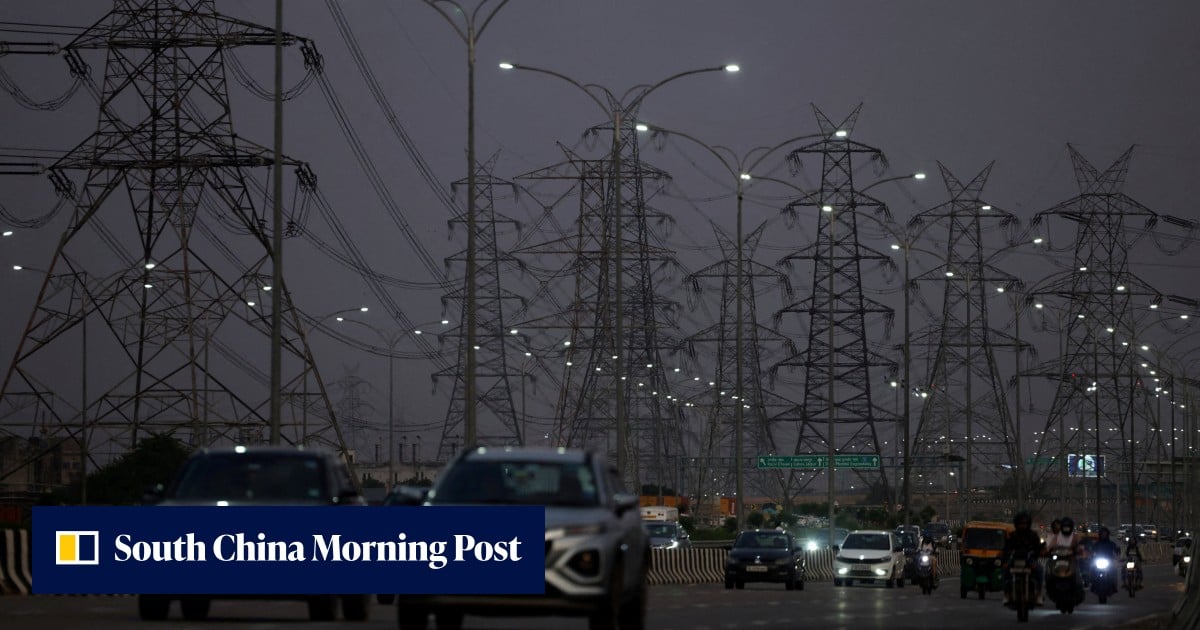
Centre · 2Electricity shortages reached 560 million kilowatt-hours in September, the highest monthly shortfall in more than three years, DW reported. Bloomberg, citing Grid Controller of India data, says the grid faced an average shortfall of nearly four gigawatts a day in the first 10 days of October. Deutsche WelleN “electricity shortages reached 560 million kilowatt-hours, the highest monthly shortfall in more than three years” Read at Deutsche Welle ↗ South China Morning PostN “average shortfall of nearly four gigawatts a day in the first 10 days of October” Read at South China Morning Post ↗ Centre · 2Coal-fired plants, which supply about two-thirds of India's electricity, have been burning through their stocks. Both outlets report that around 40% to almost half of these plants had stocks below a quarter of the required level. Bloomberg cites the power ministry as of 10 October, and DW cites the Central Electricity Authority. South China Morning PostN “Feedstock supplies at almost half of India's coal-fired plants had fallen to less than a quarter of required levels as of October 10, according to the power ministry.” Read at South China Morning Post ↗ Deutsche WelleN “around 40% of coal-fired plants had critically low stocks, with supplies below a quarter of the required level” Read at Deutsche Welle ↗ Centre · 1Bloomberg says hotter-than-normal weather raised demand for air conditioning and farm irrigation. It adds that a late burst of rain in eastern coal-mining regions cut production and hampered rail transport of coal. South China Morning PostN “A late burst of monsoon rainfall last month in coal-mining regions in the east of the country exacerbated the shortages” Read at South China Morning Post ↗
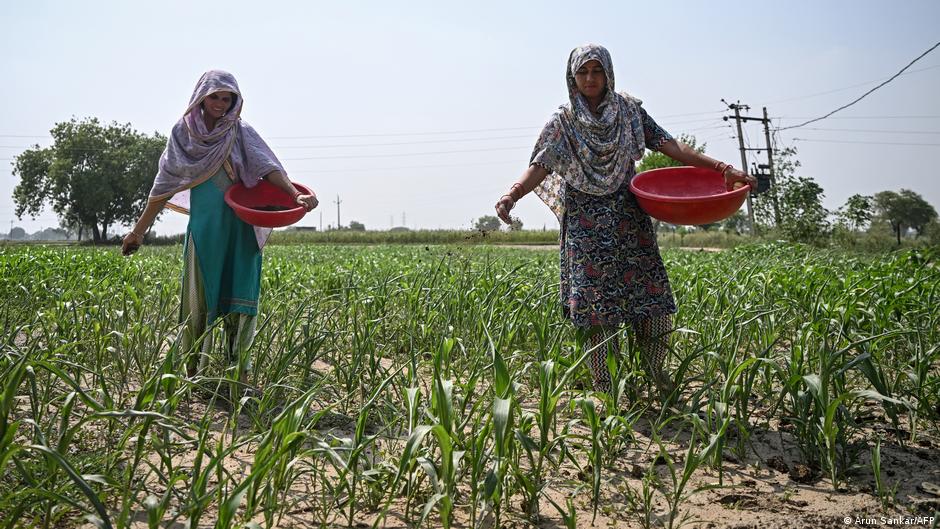
Centre · 1Blackouts are hitting industry and households. Small steel mills in Chhattisgarh face outages of 10 to 12 hours a day, and a Ludhiana steel wire maker in Punjab reports unscheduled cuts of three to four hours. Some villages in Shamli district, Uttar Pradesh, face up to seven hours a day, according to Bloomberg. South China Morning PostN “Small steel mills in the central state of Chhattisgarh are facing outages of 10 to 12 hours a day”“some villages in Shamli district are facing as much as seven hours a day of blackouts” Read at South China Morning Post ↗ Centre · 2Large industrial users that generate their own power say Coal India's priority for grid-connected generators leaves them short of fuel. Average premiums at Coal India spot sales jumped to 94% over the base price in September, from 59% in August. Coal India did not immediately respond to Bloomberg's request for comment. DW reports that the government has ordered some private industrial power plants to run at full capacity and feed surplus power into the grid. South China Morning PostN “Average premiums at Coal India spot sales in September jumped to 94 per cent over the base price, compared with a 59 per cent difference in August.” Read at South China Morning Post ↗ Deutsche WelleN “The government has ordered some private industrial power plants to operate at full capacity and feed surplus electricity into the grid.” Read at Deutsche Welle ↗ Centre · 1On farms, Ramesh Reddy, a tomato grower in Kolar, Karnataka, lost his crop when his irrigation well ran dry. He had borrowed 250,000 rupees at 24% interest and is now seeking work as a security guard in Bengaluru. Nearly half of India's workforce depends on farming. Deutsche WelleN “Within three weeks, the tomato plants had turned brown and Reddy could not salvage a single crate.”“Nearly half of India's workforce depends on farming for their livelihood” Read at Deutsche Welle ↗
Centre · 1Economists quoted by DW describe a "twin shock" of lower farm incomes and higher food prices. ISignal analysis of Department of Consumer Affairs data found September onion prices 93% higher than a year earlier, sugar 28% higher and rice about 8% higher. A September survey by India's central bank found households expecting inflation to rise. Deutsche WelleN “onions were 93% more expensive in September than a year earlier, while sugar prices rose by 28% and rice by about 8%”“described the situation as a "twin shock" for rural households” Read at Deutsche Welle ↗ Centre · 2The next test is the winter (rabi) crop of wheat, mustard and chickpeas, which depends on soil moisture. Rajeevan warned that a warming climate could bring longer dry spells and more variable rainfall. Bloomberg says the power shortage shows how reliance on fossil fuels limits India's ability to respond to a changing climate. Deutsche WelleN “success will depend largely on how much moisture remains in the soil after the weak monsoon” Read at Deutsche Welle ↗ South China Morning PostN “It also shows how the country's continued reliance on fossil fuels is limiting its ability to respond to a changing climate.” Read at South China Morning Post ↗
Every sentence links to the reporting it rests on. The pill in front of each says where its sources sit: Left, Centre or Right when one side supplies at least half of them, Mixed when they are evenly split. The number is how many outlets it cites.
Left0 outlets
No left outlet in our sources has covered this story yet.
Centre2 outlets
- Framing
- Both outlets treat the monsoon as a compound economic and energy shock. DW leads with farmers, water and household costs, with a human-interest opening. Bloomberg, carried by the South China Morning Post, leads with blackouts and the coal supply chain.
- Emphasis
- DW stresses rural incomes, food prices, reservoirs and long-term climate variability. Bloomberg stresses industrial losses, Coal India pricing and fuel allocation, and dependence on fossil fuels.
- Leaves out or plays down
- DW says little on coal allocation and auction premiums. Bloomberg says little on farmers, food inflation and reservoir levels. Neither reports a response from the national government beyond DW's note on private plants.
- Charged language
- “twin shock”“plunging coal stockpiles”
- For example
-
“described the situation as a "twin shock" for rural households” — Deutsche Welle
“the impact of plunging coal stockpiles at the country’s power stations ripples throu” — South China Morning Post
Right0 outlets
No right outlet in our sources has covered this story yet.
What every side reports
- The 2026 monsoon was the weakest in about a decade and was linked to El Nino.
- Hydropower output fell and coal stocks at many coal-fired plants are below a quarter of required levels.
- Power shortages are hurting manufacturers and households.
Europe1 outlet
Deutsche Welle gives a human and macroeconomic account, stressing farmers, food prices and climate variability.
“A weak monsoon in India is hitting farmers, water supplies and the power system” — Deutsche Welle
Deutsche Welle
East and Southeast Asia1 outlet
The South China Morning Post carries Bloomberg's energy-market angle on blackouts, coal and industry.
“Indian factories, smelters and households are being hit by blackouts and rising energy costs” — South China Morning Post
South China Morning Post
Left0 articles
No coverage yet.
Centre3 articles
-
-
India faces water and power shortages after weak monsoon
Sympathetic Feature that follows a ruined tomato farmer and sets out economic, reservoir and power effects of the driest monsoon in 11 years.
-
South China Morning PostN · · via Bloomberg
Indian homes, factories hit by hours of blackouts amid more demand for coal
Critical Bloomberg copy focused on blackouts, coal shortages and Coal India's fuel priorities, tied to climate and fossil fuel reliance.
Right0 articles
No coverage yet.
- 8 Oct 15:40 First Deutsche WelleN India faces water and power stress after weak monsoon
- 8 Oct 15:40 First Deutsche WelleN India faces water and power shortages after weak monsoon
- 12 Oct 10:13 +90h 33m South China Morning PostN Indian homes, factories hit by hours of blackouts amid more demand for coal via Bloomberg
Times are when each article was published, or when we first saw it if the outlet gave no time.