WHO issues first child obesity guidelines, favouring lifestyle support over drugs
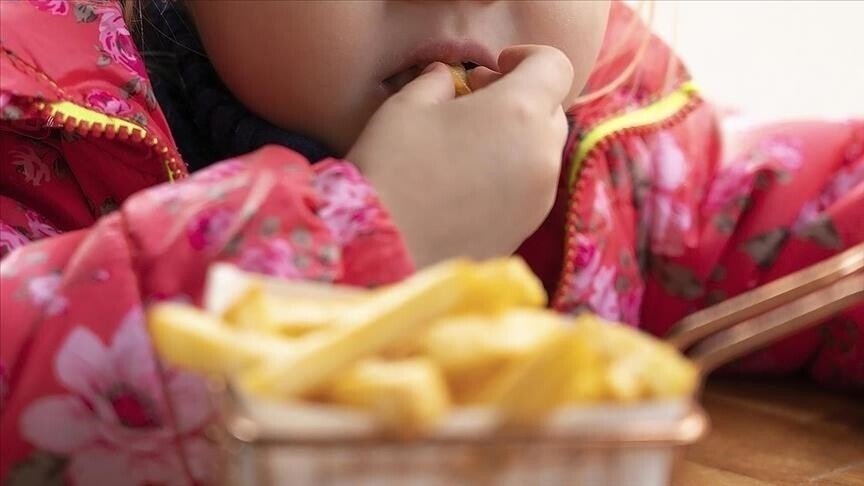
The WHO released its first global guidelines on obesity care for children and adolescents, recommending diet, exercise and behavioural support first, and said obesity among 5-19-year-olds has quadrupled since 1990.

1 / 3
The story, neutrally told
Mixed · 2The World Health Organization on Wednesday 7 October 2026 released its first global guidelines on obesity care for children and adolescents, recommending structured interventions focused on diet, physical activity and behavioural change. Anadolu AgencyN “The figures came as the WHO released its first guidelines on obesity care for children and adolescents, recommending structured interventions focused on diet, physical activity and behavioral change.” Read at Anadolu Agency ↗ The Straits TimesRC “The World Health Organization on Wednesday recommended diet, exercise and counseling over popular weight-loss drugs” Read at The Straits Times ↗ Centre · 1The WHO said obesity among 5-19-year-olds rose from 2% in 1990 to 8% in 2024, meaning 170 million people, including 70 million children aged 5-9 and 100 million adolescents aged 10-19, were living with obesity. Anadolu AgencyN “prevalence among the age group rose from 2% in 1990 to 8% in 2024. Of those affected, 70 million were children aged 5-9 and 100 million were adolescents aged 10-19.” Read at Anadolu Agency ↗ Right · 1Reuters, carried by The Straits Times, added that about 400 million people aged 5 to 19 were overweight in 2024, and cited UNICEF data that obesity has surpassed being underweight as the most common form of malnutrition in school-age children and adolescents. The Straits TimesRC “About 400 million people aged 5 to 19 were overweight in 2024, including 170 million living with obesity, WHO said.”“obesity has surpassed being underweight as the most common form of malnutrition in school children and adolescents worldwide” Read at The Straits Times ↗
Mixed · 2For children under 10, the WHO advised against weight-loss medicines, bariatric surgery and devices, citing doubts over their safety and long-term effectiveness. Anadolu AgencyN “weight-loss medicines, bariatric surgery and weight-loss devices should not be used to treat children aged 0-9” Read at Anadolu Agency ↗ The Straits TimesRC “because of doubts over their safety and long-term effectiveness” Read at The Straits Times ↗ Mixed · 2For adolescents aged 10-19, approved medicines may be considered only after a supervised multimodal lifestyle programme has failed, and bariatric surgery may be considered under strict conditions for severe obesity; Reuters specified physically and mentally mature adolescents after six months of unsuccessful treatment. Anadolu AgencyN “approved medicines "may be considered" only when a supervised multimodal lifestyle program has failed to achieve the desired results” Read at Anadolu Agency ↗ The Straits TimesRC “Bariatric surgery could be considered for physically and mentally mature adolescents with severe obesity after six months of unsuccessful treatment” Read at The Straits Times ↗ Mixed · 2Luz María De Regil, director of the WHO's Department of Nutrition and Food Safety, said "The foundation of obesity care for children and adolescents is not medicine or surgery, but access to comprehensive support that enables healthy eating, physical activity and sustainable behaviour change." Anadolu AgencyN ““The foundation of obesity care for children and adolescents is not medicine or surgery, but access to comprehensive support that enables healthy eating, physical activity and sustainable behaviour change,”” Read at Anadolu Agency ↗ The Straits TimesRC “Luz María De Regil, director of the Department of Nutrition and Food Safety” Read at The Straits Times ↗
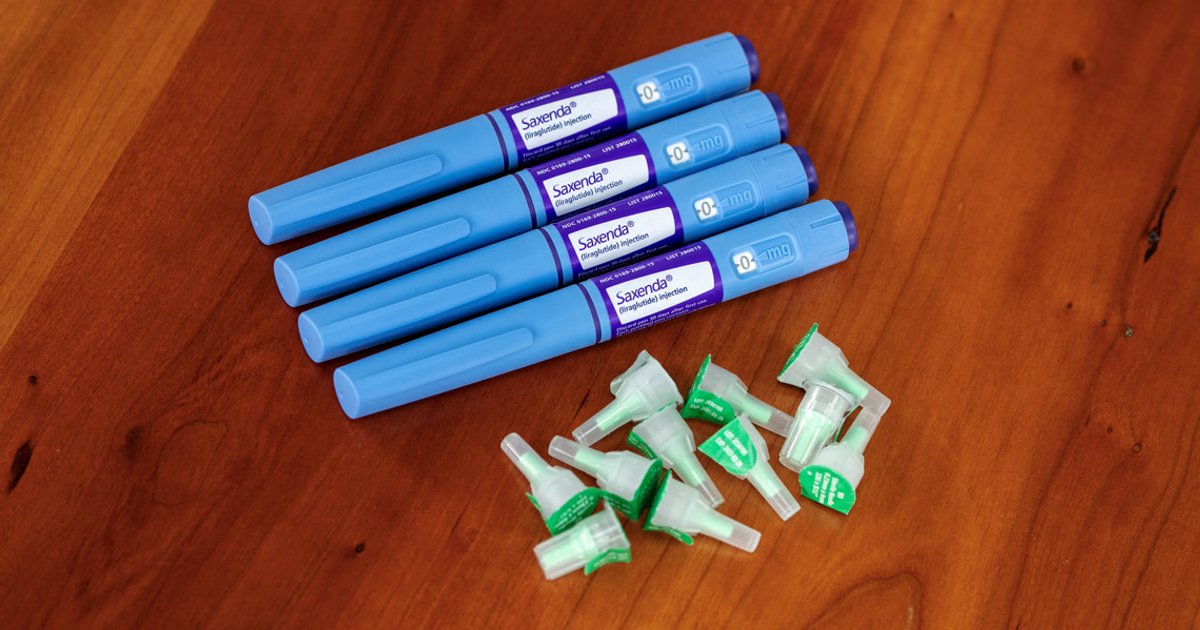
Right · 1According to Reuters, De Regil said there is currently insufficient evidence on GLP-1 drugs, that researchers are monitoring efficacy and safety trials, and that the assessment may be revised as more data emerges. The Straits TimesRC “said there is currently insufficient evidence on GLP-1 drugs, though researchers are monitoring efficacy and safety trials and may revise that assessment as more data emerges” Read at The Straits Times ↗ Right · 1Some GLP-1 medicines are already approved for younger patients: Novo Nordisk's Wegovy and Saxenda can be used by certain adolescents aged 12 and older in the United States and the European Union, and the EU also allows Saxenda for some children aged six to 11. The Straits TimesRC “Novo Nordisk's Wegovy and Saxenda can be used by certain adolescents 12 and older in the United States and the European Union. The EU also allows Saxenda for some children aged six to 11.” Read at The Straits Times ↗ Mixed · 2The WHO also warned that obesity raises the risk of type 2 diabetes and cardiovascular disease from an early age and brings stigma, bullying, anxiety, depression and low self-esteem, and said treatment alone cannot reverse rising rates, calling for healthy diets and physical activity to be made more accessible and affordable. Anadolu AgencyN “obesity can increase the risk of diseases including type 2 diabetes and cardiovascular disease from an early age”“calling for measures to make healthy diets and physical activity more accessible and affordable” Read at Anadolu Agency ↗ The Straits TimesRC “treatment alone cannot halt rising obesity” Read at The Straits Times ↗
Every sentence links to the reporting it rests on. The pill in front of each says where its sources sit: Left, Centre or Right when one side supplies at least half of them, Mixed when they are evenly split. The number is how many outlets it cites.
Left0 outlets
No left outlet in our sources has covered this story yet.
Centre2 outlets
- Framing
- Anadolu leads with the scale of the problem: the quadrupling of prevalence and 170 million affected, then the guideline content.
- Emphasis
- Prevalence figures, mental health consequences and stigma, and care going beyond weight loss.
- Leaves out or plays down
- Does not mention GLP-1 drugs by name, the evidence caveat or specific approved products.
- For example
-
“Obesity among children and adolescents aged 5-19 has quadrupled globally since 1990, with 170 million living with the chronic disease in 2024” — Anadolu Agency
Right1 outlet
- Framing
- The Straits Times, running Reuters copy, leads with the recommendation of lifestyle changes over GLP-1 drugs, the commercial and drug angle.
- Emphasis
- GLP-1 evidence gaps, approved Novo Nordisk products, and the conditions for surgery.
- Leaves out or plays down
- Gives prevalence figures only at the end and omits the mental health consequences and the age split of the 170 million.
- For example
-
“recommended diet, exercise and counseling over popular weight-loss drugs in its first global guidelines” — The Straits Times
What every side reports
- The WHO released its first guidelines on obesity care for children and adolescents on 7 October 2026.
- Obesity among 5-19-year-olds has quadrupled since 1990, with 170 million affected in 2024.
- The WHO advises against weight-loss drugs, surgery and devices for children under 10.
- Medicines may be considered for adolescents aged 10-19 only after supervised lifestyle interventions fail.
- Treatment alone cannot halt rising obesity; healthy diets and activity must be accessible and affordable.
World Health Organization organisation
Says care should rest on comprehensive lifestyle support rather than medicine or surgery, with drugs only a later option for adolescents, and that evidence on GLP-1 drugs is currently insufficient but may be revised.
“The foundation of obesity care for children and adolescents is not medicine or surgery” — Anadolu Agency
“may revise that assessment as more data emerges” — The Straits Times
Left0 articles
No coverage yet.
Centre2 articles
-
Obesity among children, adolescents has quadrupled since 1990, affecting 170M: WHO
Neutral Prevalence-led account of the WHO figures and guideline recommendations.
-
Right1 article
-
The Straits TimesRC · · via Reuters
WHO endorses lifestyle changes over GLP-1 drugs in child obesity fight
Neutral Reuters wire copy framing the guidelines as a lifestyle-over-drugs stance, with GLP-1 context.
- 7 Oct 08:32 First Anadolu AgencyN Obesity among children, adolescents has quadrupled since 1990, affecting 170M: WHO
- 7 Oct 08:44 +12m The Straits TimesRC WHO endorses lifestyle changes over GLP-1 drugs in child obesity fight via Reuters
- 7 Oct 09:07 +35m BBC NewsN New global guidelines warn against obesity drugs for children under 10
Times are when each article was published, or when we first saw it if the outlet gave no time.