World's largest penguin colony on Zavodovski Island has lost about two-thirds of its chinstraps
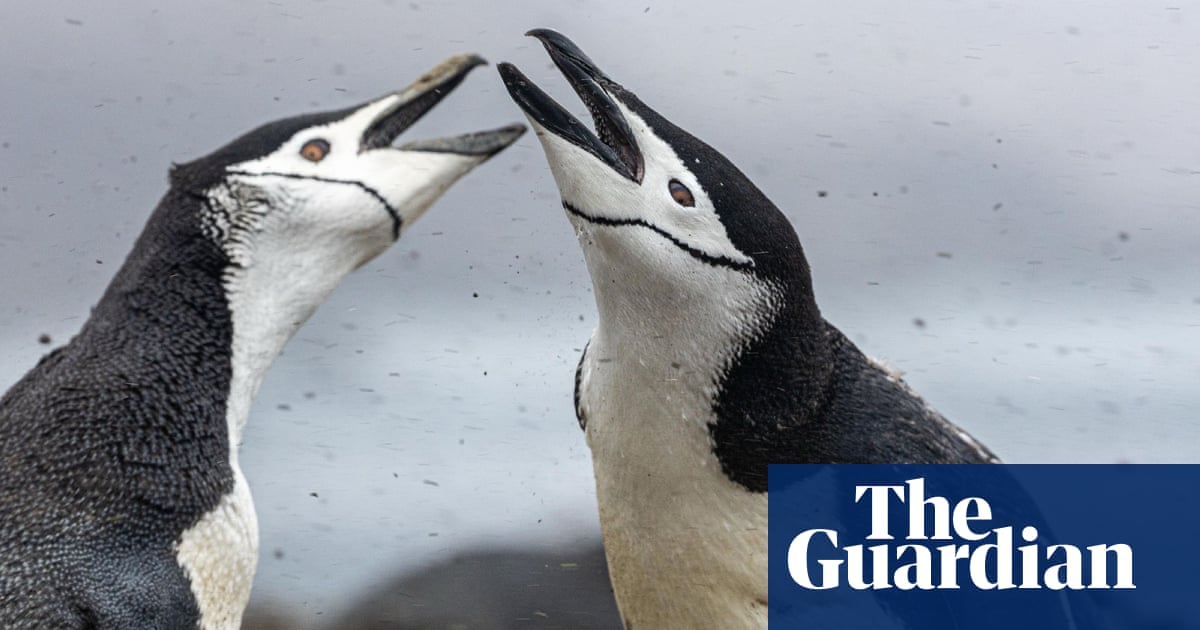
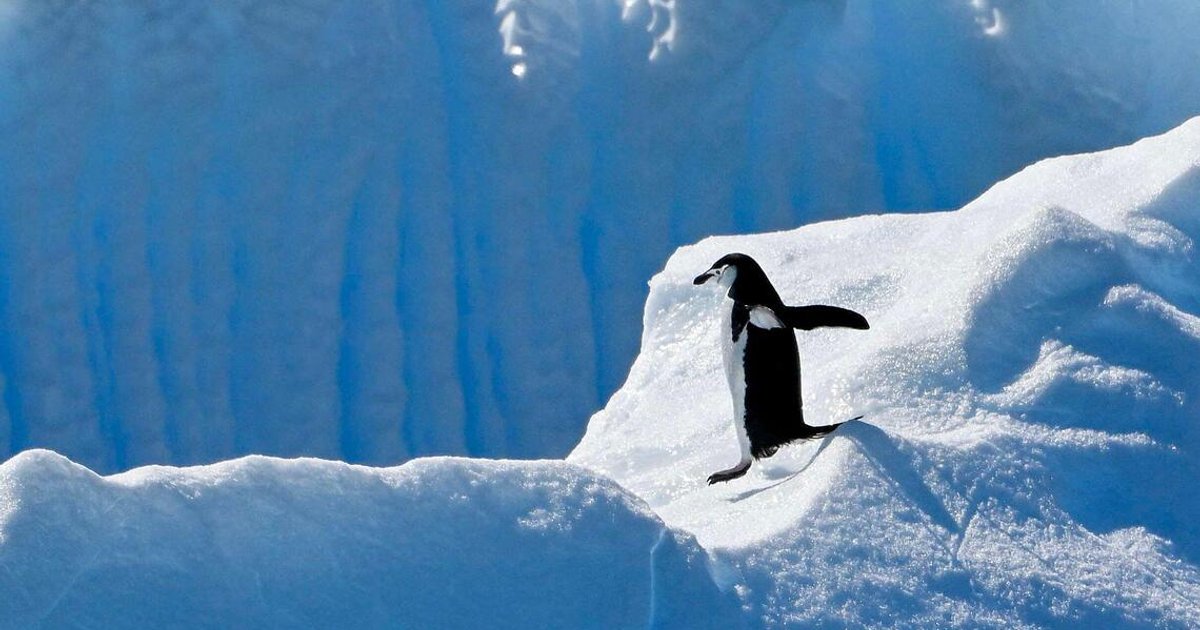
A British Antarctic Survey study in Current Biology found chinstrap penguin nests on Zavodovski Island fell 63% between 2011 and 2025. Researchers blame warming seas that have pushed krill southwards.

1 / 3
The story, neutrally told
Mixed · 2A study published in Current Biology on Wednesday 7 October found that the number of occupied chinstrap penguin nests on Zavodovski Island, in the South Sandwich Islands near Antarctica, was 63% lower in 2025 than in 2011. BBC NewsN “there were 63% fewer occuplied nests of chinstrap penguins in 2025 than at the same time in 2011” Read at BBC News ↗ The GuardianLC “The new study, published on Wednesday in Current Biology” Read at The Guardian ↗ Mixed · 2The island was previously the world's largest penguin colony, with about 600,000 chinstraps and 90,000 macaroni penguins measured in 2011. Scientists say it has now lost that title to Cape Adare in the Ross Sea, more than 5,000km away. BBC NewsN “with an estimated 600,000 chinstrap penguins and 90,000 macaroni penguins nesting”“now held by a site more than 5,000km away” Read at BBC News ↗ The GuardianLC “it is likely to have lost that title to Cape Adare in the Ross Sea” Read at The Guardian ↗ Centre · 1The British Antarctic Survey (BAS) led the research. Its team sailed for 15 days to reach the island and used drones, aerial photography, satellite imagery and tracking devices fitted to 20 birds. BBC NewsN “A BAS team sailed for 15 days to reach the island and study its avian inhabitants, using drones, aerial photography and fitting tracking devices to 20 birds.” Read at BBC News ↗
Mixed · 2Lead researcher Prof Norman Ratcliffe called it "an enormous population crash, equivalent to half a million breeding individuals being lost from that island". The BBC describes the fall as "alarming". The GuardianLC ““It is an enormous population crash, equivalent to half a million breeding individuals being lost from that island,”” Read at The Guardian ↗ BBC NewsN “The researchers say the "alarming" fall in the chinstrap population” Read at BBC News ↗ Mixed · 2The researchers attribute the decline most likely to climate change. Chinstraps have a specialist diet and prefer cooler waters. As the sea warms, krill have moved south, and sea ice to the south and a lack of suitable nesting islands stop the penguins from following. BBC NewsN “Sea-ice cover to the south and a lack of suitable islands for nesting prevents chinstraps from following the food,” Read at BBC News ↗ The GuardianLC “But as the waters warm, the krill have moved southwards into the Weddell Sea.” Read at The Guardian ↗ Left · 1The Guardian adds that winter temperatures around the Antarctic peninsula are 5C above preindustrial levels. It says Esperanza base recorded a record winter high of 15.4C on 6 June. The GuardianLC “On 6 June, the Argentinian Esperanza base on the Trinity peninsula registered a record winter high of 15.4C” Read at The Guardian ↗
Mixed · 2The team ruled out other explanations. The island's volcano, Mount Curry, last erupted majorly in 2016, but the decline has been steady and linear since 2011, and the chinstraps avoided the main ash-covered area. Competition for krill, including from humpback whales, was also dismissed as the cause, as was competition between chinstraps and macaronis. The nearest humans live thousands of miles away. BBC NewsN “the penguin declines that this study analysed have been steady and ongoing since 2011, suggesting that something else was happening.” Read at BBC News ↗ The GuardianLC “this theory was not borne out either by the data, which showed a steady linear decline”“There was no sign that chinstrap and macaroni penguins were in competition for food.” Read at The Guardian ↗ Mixed · 2Macaroni penguins on the island have increased, which scientists link to their broader, more flexible diet. The Guardian puts the rise at 30%, not nearly enough to offset the chinstrap losses. Ratcliffe called the shift the "biggest change in community composition ever observed at a single location in Antarctica". BBC NewsN “"biggest change in community composition ever observed at a single location in Antarctica"” Read at BBC News ↗ The GuardianLC “they saw a 30% increase in numbers – though not nearly enough to make up for the loss of chinstraps” Read at The Guardian ↗ Mixed · 2Both outlets say the chinstrap may now qualify as endangered. The Guardian quotes Ratcliffe warning that losing species raises the risk of ecosystem collapse, likening ecosystems to "a giant Jenga set". It also recalls its 2020 report of chinstrap declines on Low Island in the South Shetlands. BBC NewsN “the penguins may now be officially endangered” Read at BBC News ↗ The GuardianLC “may need to be classified as an endangered species”“Each ecosystem could be regarded as like a giant Jenga set” Read at The Guardian ↗
Every sentence links to the reporting it rests on. The pill in front of each says where its sources sit: Left, Centre or Right when one side supplies at least half of them, Mixed when they are evenly split. The number is how many outlets it cites.
Left1 outlet
- Framing
- Frames the decline as evidence of the climate crisis and a warning of wider ecosystem collapse.
- Emphasis
- Record Antarctic temperatures, the risk of ecosystem collapse, a possible endangered listing and the Guardian's own 2020 reporting.
- Leaves out or plays down
- Omits the study's fieldwork methods and the humpback whale competition hypothesis.
- Charged language
- “enormous population crash”“climate crisis”“absolutely crazy”
- For example
-
“most likely due to the climate crisis” — The Guardian
“increased the risk of a wider ecosystem collapse” — The Guardian
Centre1 outlet
- Framing
- Explanatory science report that leads with the decline and its climate-driven cause, and adds colour about the volcano's place names.
- Emphasis
- The study's methods, the ruling out of the volcano and whales, and the macaroni contrast.
- Leaves out or plays down
- Does not give the macaroni increase as a figure, and does not mention the Guardian's wider warming context.
- Charged language
- “alarming”
- For example
-
“The researchers say the "alarming" fall in the chinstrap population is all about the food supply” — BBC News
Right1 outlet
No right outlet in our sources has covered this story yet.
What every side reports
- Chinstrap nests on Zavodovski Island fell about two-thirds between 2011 and 2025.
- The BAS-led study was published in Current Biology and Prof Norman Ratcliffe led it.
- Warming seas pushing krill south are the main suspected cause; the 2016 eruption of Mount Curry was not.
- Macaroni penguins on the island have increased.
- Cape Adare in the Ross Sea is now likely the largest colony.
Where accounts differ
-
Where tracked penguins forage
- Left
- The Guardian says chinstraps prefer to forage in cooler waters to the north-west of the island, where they expect to find krill.
- Centre
- The BBC says macaronis foraged in warmer waters to the northeast, supplementing their diet with fish and other crustaceans.
Chinstrap penguins topic
Chinstrap penguins are described as cold-adapted specialists that cannot follow the krill south, while macaronis, with a flexible diet, are thriving. They may need an endangered listing.
“the cold-adapted Antarctic chinstrap species are no longer thriving beside their sub-Antarctic neighbours” — BBC News
“may need to be classified as an endangered species” — The Guardian
Zavodovski Island place
Zavodovski, a volcanic island in the South Sandwich Islands, is described as having lost its status as the largest penguin colony. The study found the volcano was not the cause.
“Zavodovski is part of the South Sandwich Islands” — BBC News
“it is likely to have lost that title to Cape Adare in the Ross Sea” — The Guardian
Left1 article
-
World’s largest penguin colony suffers ‘enormous population crash’
Alarmist Presents the decline as a climate-crisis warning with ecosystem-collapse stakes and record-heat context.
Centre1 article
-
World's largest penguin colony hit by 'alarming' decline in numbers
Neutral Measured explainer on the study's findings and causes, with attention to the volcano and whale hypotheses.
Right1 article
- 7 Oct 16:00 First BBC NewsN World's largest penguin colony hit by 'alarming' decline in numbers
- 7 Oct 16:00 First The GuardianLC World’s largest penguin colony suffers ‘enormous population crash’
- 7 Oct 16:50 +49m The Straits TimesRC Climate change strips island’s title of largest penguin colony: Study via AFP
Times are when each article was published, or when we first saw it if the outlet gave no time.