Yosemite meadow: 40,000 sedge seedlings planted, but soil still losing carbon after three years
Colorado State University researchers planted 40,000 native sedge seedlings in Yosemite's Tuolumne Meadows. After three years soil organic matter was improving, but the meadow was still releasing more carbon than it stored, and full recovery is expected to take decades.
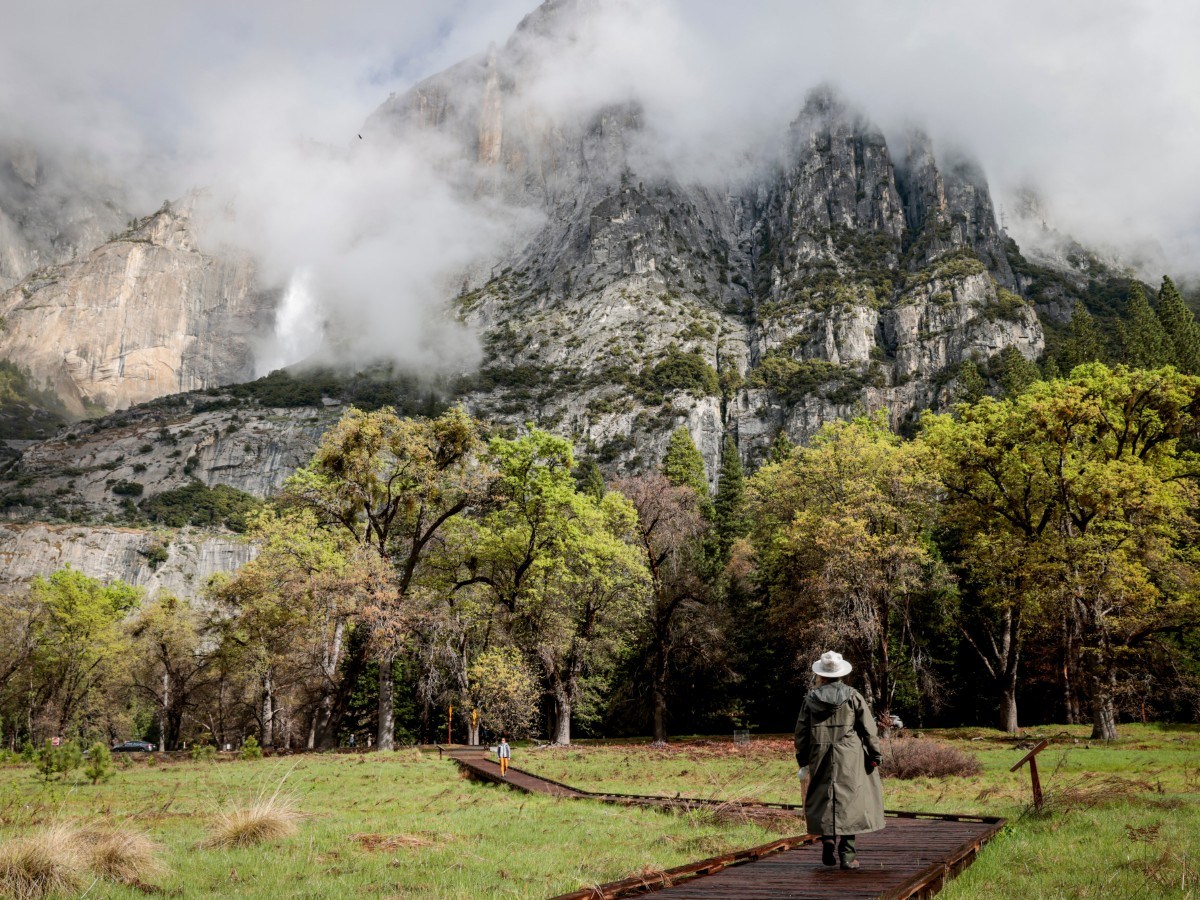
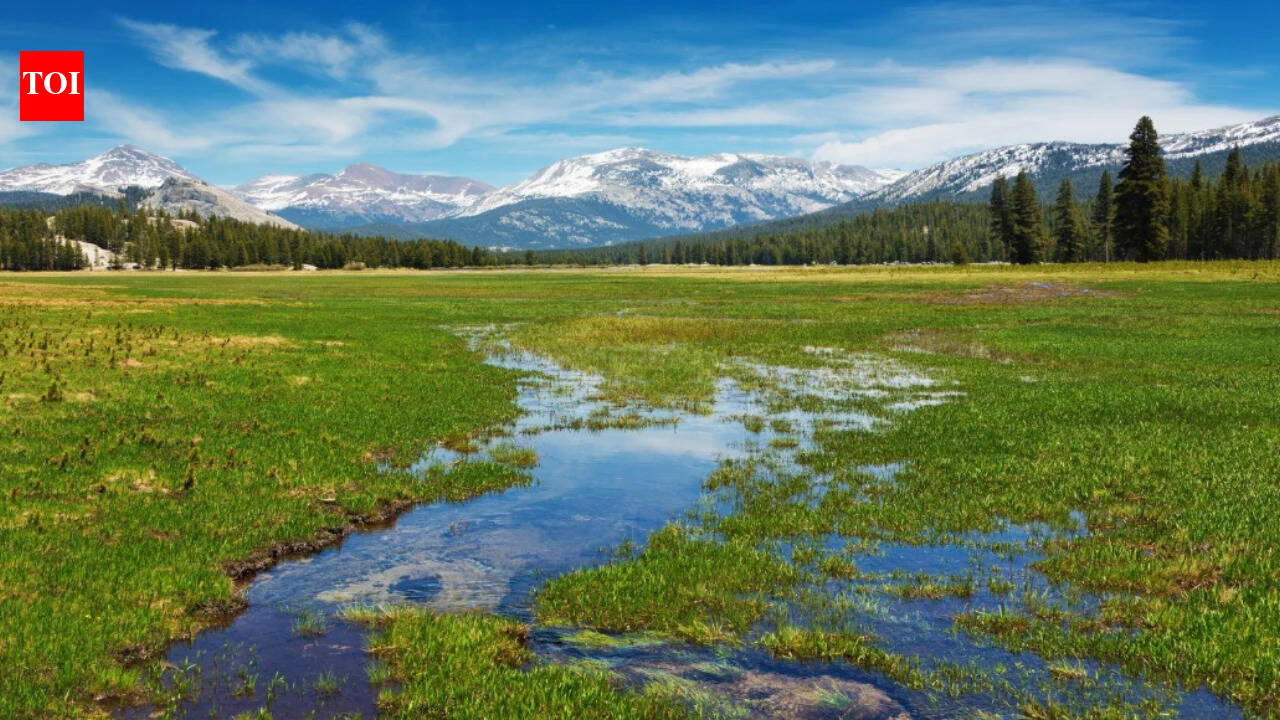
1 / 2
The story, neutrally told
Centre · 2Researchers at Colorado State University planted 40,000 native sedge seedlings in Tuolumne Meadows in Yosemite National Park, California, to restore soil they say was damaged by sheep grazing more than a century ago. NewsweekN “Experts at Colorado State University planted 40,000 sedge seedlings in the Tuolumne Meadows in the hope that bringing native plants back to the area would improve soil health.” Read at Newsweek ↗ The Times of IndiaN “Scientists planted 40,000 native sedge seedlings in Yosemite National Park's Tuolumne Meadows to restore soil damaged by sheep grazing over a century ago.” Read at The Times of India ↗ Centre · 2Three years after planting, the team found that soil health and soil organic matter were improving, but the meadow was still losing more carbon than it gained because existing organic matter kept decomposing. NewsweekN “Three years after planting of seedlings, the Colorado State University researchers discovered that while soil health was improving, the meadow was still releasing carbon as organic soil matter continued to decompose.” Read at Newsweek ↗ The Times of IndiaN “Three years after the planting, while the soil organic matter increased, the meadow continued to lose more carbon than it gained.” Read at The Times of India ↗ Centre · 2The findings were published in the Journal of Geophysical Research: Biogeosciences on 6 October. NewsweekN “Their work was published in the Journal of Geophysical Research: Biogeosciences on October 6.” Read at Newsweek ↗ The Times of IndiaN “The findings, published on Tuesdat, in the Journal of Geophysical Research, Biogeosciences” Read at The Times of India ↗
Centre · 2Lead author David Cooper, a senior research scientist at Colorado State, attributes the decline to the loss of the dominant native plants, most likely through very heavy sheep grazing in the late 1800s. Without the dense sod they form, he says, the soil dries and loses carbon. NewsweekN “Tuolumne meadows is declining because the native dominant plant species that should form a dense sod is uncommon due to historical disturbances – most likely very heavy sheep grazing in the late 1800s that removed the key plant species,” Read at Newsweek ↗ The Times of IndiaN “Grazing continued until years after Yosemite National Park was established in 1890.” Read at The Times of India ↗ Centre · 2Cooper warned that loss of soil organic matter can dry the meadow and leave it open to conifer invasion and loss of the meadow function and views visitors come for. The Times of India adds that more than 20% of the meadow's topsoil remains bare. NewsweekN “drying of the meadow, making it susceptible to conifer tree invasion and the loss of meadow function and views that visitors come to experience.” Read at Newsweek ↗ The Times of IndiaN “According to the researchers, more than 20% of the meadow's topsoil remains bare.” Read at The Times of India ↗ Centre · 2The researchers say recovery is possible but slow, since the damage has built up over roughly 150 years. Newsweek reports an estimate of 25 to 30 years of restoration work; The Times of India reports 25 to 50 years. NewsweekN “They currently estimate it will require around 25 to 30 years of restoration work.” Read at Newsweek ↗ The Times of IndiaN “reversing damage that has developed over roughly 150 years could take another 25 to 50 years.” Read at The Times of India ↗
Centre · 1Cooper said the team believes planting the species that should be dominant is the way forward, adding: "I think the meadow can be restored, but these things take time." The Times of IndiaN ““We feel our approach of planting the species that was and should be the dominant vegetation is the path forward.””““I think the meadow can be restored, but these things take time,” he said.” Read at The Times of India ↗ Centre · 1Independent scientists quoted by Newsweek called the effort encouraging but cautioned that three years is a short window. Christine Sprunger of Michigan State University said monitoring over a decade or longer is needed to show whether early gains become sustained carbon storage. NewsweekN “it is "a short window for evaluating soil carbon recovery." Instead, she said that "monitoring over a decade or longer would help determine whether early improvements translate into sustained carbon storage."” Read at Newsweek ↗ Centre · 1Joseph Blankinship of the University of Arizona said a meadow can start recovering biologically before it stops losing carbon. He recommended tracking results against unplanted controls and judging success on habitat, erosion control and water functions, not only on whether the meadow becomes a carbon sink. NewsweekN “"A meadow can start recovering biologically before it stops losing carbon," he said.”“Success should also include habitat, erosion control, and water-related functions—not solely whether the meadow has already become a carbon sink.” Read at Newsweek ↗
Centre · 1Randall Jackson of the University of Wisconsin-Madison said revegetation may slow carbon loss, but whether it can turn the meadows into a carbon sink as the climate warms is a long-term question needing decades of monitoring. NewsweekN “whether it will reverse it and make the meadows an atmospheric carbon sink as the climate continues to warm is a long-term question that will require decades of monitoring to determine.” Read at Newsweek ↗
Every sentence links to the reporting it rests on. The pill in front of each says where its sources sit: Left, Centre or Right when one side supplies at least half of them, Mixed when they are evenly split. The number is how many outlets it cites.
Left0 outlets
No left outlet in our sources has covered this story yet.
Centre2 outlets
- Framing
- Both outlets lead with the 40,000 seedlings and the finding that the meadow is still losing carbon three years on, presenting early soil gains alongside a long road to recovery.
- Emphasis
- Newsweek foregrounds independent experts' caveats about the short monitoring window and what counts as success. The Times of India stresses the history of grazing, the bare topsoil and Cooper's recovery timeline.
- Leaves out or plays down
- Newsweek does not mention the share of bare topsoil. The Times of India includes no outside expert comment.
- Charged language
- “one issue remains”“still losing carbon”
- For example
-
“Scientists planted 40,000 seedlings to save Yosemite's struggling meadows, but years later, one major challenge remains.” — Newsweek
“Scientists planted 40,000 seedlings in Yosemite; 3 years later, meadow is still losing carbon” — The Times of India
Right0 outlets
No right outlet in our sources has covered this story yet.
What every side reports
- Colorado State University researchers planted 40,000 native sedge seedlings in Tuolumne Meadows, Yosemite.
- Three years on, soil organic matter was improving but the meadow was still losing more carbon than it gained.
- Historic sheep grazing is blamed for the loss of native vegetation.
- Full recovery is expected to take decades, with a minimum estimate of 25 years.
- The study was published in the Journal of Geophysical Research: Biogeosciences on 6 October.
Where accounts differ
-
How long full recovery will take
- Centre
- Newsweek reports an estimate of around 25 to 30 years of restoration work; The Times of India reports 25 to 50 years, quoting Cooper.
North America1 outlet
Newsweek focuses on expert commentary about the limits of a three-year study and how to measure restoration success.
“Restoring vegetation is an important first step, but rebuilding the soil processes that sustain a healthy meadow takes longer.” — Newsweek
Newsweek
South Asia1 outlet
The Times of India gives a background-heavy explainer on the grazing damage and a longer 25-to-50-year recovery range.
“Recovery could take 25 to 50 years” — The Times of India
The Times of India
Left0 articles
No coverage yet.
Centre2 articles
-
Scientists planted 40,000 Yosemite seedlings—years later, one issue remains
Mixed Cautiously optimistic account built on interviews with the lead author and three outside soil and grassland scientists who praise the effort but stress long-term monitoring.
-
Scientists planted 40,000 seedlings in Yosemite; 3 years later, meadow is still losing carbon
Neutral Explanatory science piece drawing on the university release and Cooper's quotes, covering the grazing history, the three-year result and a 25-to-50-year recovery outlook.
Right0 articles
No coverage yet.
- 7 Oct 12:36 First NewsweekN Scientists planted 40,000 Yosemite seedlings—years later, one issue remains
- 10 Oct 09:35 +68h 59m The Times of IndiaN Scientists planted 40,000 seedlings in Yosemite; 3 years later, meadow is still losing carbon
Times are when each article was published, or when we first saw it if the outlet gave no time.