Zambia signs five-year, $3.6bn US health deal after removing specimen-sharing clauses
Zambia and the US signed a five-year health financing agreement in Lusaka on 8 October. Zambia's health minister said clauses on sharing specimens and individual patient data had been removed.

1 / 2
The story, neutrally told
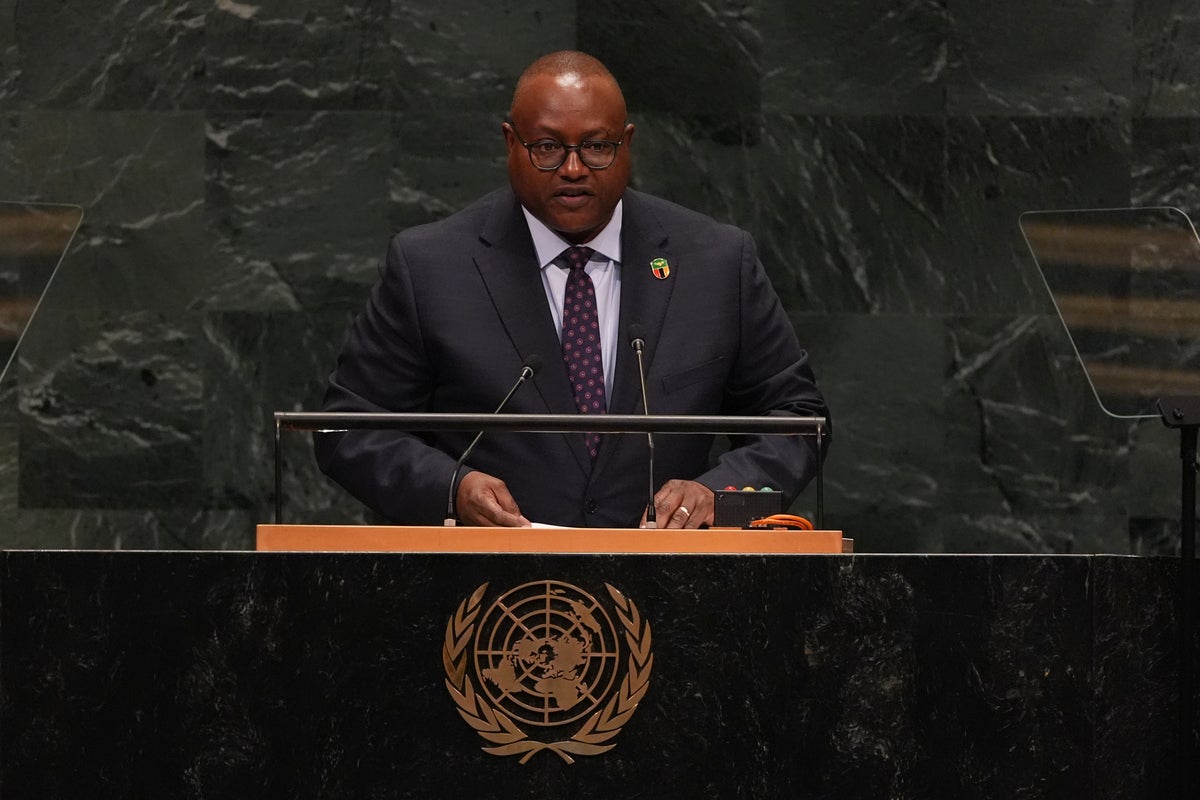
Left · 1Zambia's Health Minister, Roma Chilengi, announced on 6 October that Zambia would sign a revised health agreement with the United States without the clauses committing it to share patient health data and specimens with the US government. The IndependentLC “Zambia will sign a revised health agreement with the United States that will not include contentious clauses committing the African nation to share patient health data and specimens with the U.S. government.” Read at The Independent ↗ Centre · 1The BBC reported that the five-year health financing agreement was signed in Lusaka on Thursday 8 October, as a memorandum of understanding together with a data-sharing deal. BBC NewsN “Under the memorandum of understanding, signed in Lusaka on Thursday along with a data-sharing deal, the US will provide about $1.5bn (£1.1bn), with Zambia also contributing.” Read at BBC News ↗ Mixed · 2Chilengi put the total value at $3.6 billion in combined US and Zambian funding. He did not say how much the US would commit, but told state broadcaster ZNBC the US would provide $1.5 billion over five years. The BBC says officials put the combined 2026–2030 package at roughly $3.6bn, though figures for Zambia's share have varied. The IndependentLC “The five-year deal is worth $3.6 billion in total, combined funding from both countries for the African nation’s health services” Read at The Independent ↗ BBC NewsN “Officials have put the combined package covering 2026 to 2030 at roughly $3.6bn, though figures for the Zambian share have varied.” Read at BBC News ↗
Mixed · 2Chilengi said the agreement had no reference to specimen-sharing conditions, that clauses on sharing individual health data had been "completely removed", and that "Zambia will not be obliged to share any specimen". The BBC adds that data exchange would be limited to information needed to monitor and evaluate programmes funded under the deal. The IndependentLC ““Zambia will not be obliged to share any specimen,” he said.” Read at The Independent ↗ BBC NewsN “Data exchange, he said, would be limited to information needed to monitor and evaluate programmes funded under the deal.” Read at BBC News ↗ Centre · 1The money is meant to support HIV/Aids, tuberculosis, malaria, maternal and child health, disease surveillance and wider health system work, including recruiting community health workers. The US describes it as a shift from a donor-recipient model to shared responsibility, with US funding expected to fall over the five years as Zambia raises domestic spending. BBC NewsN “The money is intended to support HIV/Aids, tuberculosis, malaria, maternal and child health, disease surveillance and wider health system work, including the recruitment of community health workers.”“with US funding expected to decline over the five years as Zambia increases domestic spending.” Read at BBC News ↗ Mixed · 2The deal is part of the Trump administration's bilateral approach after it dismantled USAID. The US has signed new health agreements with around two dozen African nations since last year; according to the AP, the data clauses have been among the most controversial. The IndependentLC “The U.S. has signed new bilateral health agreements with around two dozen African nations since last year, but some have pushed back on requirements to provide patient data.” Read at The Independent ↗ BBC NewsN “After closing the agency last year, Washington has pursued similar deals with a number of African countries, arguing partner governments should take on more of the cost.” Read at BBC News ↗
Left · 1Under agreements published by the US State Department, at least nine African nations must send data and specimens within five days of a request. The US can pass these to up to 10 unspecified American non-government entities to develop diagnostics and treatments. The agreements do not guarantee that the supplying country would benefit, and it would have to pay for any treatments. The IndependentLC “committing them to send data and specimens within five days of a request, according to agreements published by the U.S. State Department.”“But they do not guarantee that the African nation that provided the data would benefit from any medical treatments developed.” Read at The Independent ↗ Mixed · 2Other countries took different paths. Kenya, Tanzania and Uganda have signed, while Zimbabwe and Ghana rejected agreements over data and specimen conditions. The AP reports that the US ended all health assistance to Zimbabwe last month and that Namibia, which also rejected some clauses, is losing HIV funding, though neither country publicly tied the decisions to the data dispute. BBC NewsN “Kenya, Tanzania and Uganda are among those that have signed. Ghana and Zimbabwe have rejected agreements over conditions about sharing data and specimens.” Read at BBC News ↗ The IndependentLC “though neither country publicly tied the decision to the disagreement over health data.” Read at The Independent ↗ Centre · 1In Zambia the deal drew months of public dispute. A leaked draft led civil society groups, including the Chapter One Foundation and HIV advocates, to warn that Zambia was accepting wider data-sharing terms than other countries; activists and opposition figures also cited reports that health money was linked to US access to copper and other critical minerals. BBC NewsN “A draft leaked earlier this year prompted civil society groups to warn that Zambia was accepting wider data-sharing terms than other African countries”“Opposition figures and activists also seized on reports that health money was being linked to preferential access for US companies to Zambia's large reserves of copper and other critical minerals.” Read at BBC News ↗
Centre · 1In May, Foreign Minister Mulambo Haimbe called the data terms a violation of privacy and "unconscionable" and accused Washington of tying the package to minerals; then-US ambassador Michael Gonzales rejected that as false. The row was sharpened by an earlier US suspension of drug funding after the embassy alleged theft of donated medicines, which the government disputed. BBC NewsN “In May, Foreign Minister Mulambo Haimbe called the data terms a violation of privacy and "unconscionable", and accused Washington of tying the package to minerals.”“The row was sharpened by an earlier US suspension of drug funding after the embassy alleged theft of donated medicines, which the government disputed.” Read at BBC News ↗ Centre · 1The BBC reports that critics say the USAID closure slowed detection and response to the current Ebola outbreak in the Democratic Republic of Congo; the US denies its cuts caused harm and points to $270m it has donated. BBC NewsN “The US denies its cuts have harmed efforts, arguing that they are more "aligned and effective" under the new arrangement and pointing to the $270m it has donated to tackle the epidemic.” Read at BBC News ↗
Every sentence links to the reporting it rests on. The pill in front of each says where its sources sit: Left, Centre or Right when one side supplies at least half of them, Mixed when they are evenly split. The number is how many outlets it cites.
Left1 outlet
- Framing
- Reports ahead of signing, led by the minister's announcement that data and specimen clauses were stripped; the piece is AP copy.
- Emphasis
- Chilengi's statements, the terms of US data-sharing agreements elsewhere, and rejections by Zimbabwe, Namibia and Ghana.
- Leaves out or plays down
- Does not cover the Zambian domestic row, the minerals allegation or the separate data-sharing deal, which the BBC reports.
- Charged language
- “America First”“raw materials for scientific discovery”
- For example
-
““I want to announce here that the (agreement) as it stands now ... has no reference to any specimen sharing conditions,” said Zambia's Chilengi” — The Independent
Centre1 outlet
- Framing
- Reports the completed signing as the end of a months-long public dispute over data and minerals.
- Emphasis
- Zambian civil-society criticism, the minerals allegation, the earlier drug-funding suspension, and the USAID closure's effects including the Ebola response.
- Leaves out or plays down
- Gives little on the specifics of the US data-sharing terms signed elsewhere; the Zambian share of funding is unclear.
- Charged language
- “unconscionable”“signing away”
- For example
-
“ending months of public dispute over whether the country was trading citizens' medical data and mineral rights for aid.” — BBC News
Right0 outlets
No right outlet in our sources has covered this story yet.
What every side reports
- Zambia and the US agreed a five-year health deal with a combined value of about $3.6bn, of which the US is to provide about $1.5bn.
- Zambia's health minister, Roma Chilengi, said specimen-sharing clauses were removed and individual patient records would not be shared.
- The deal follows the Trump administration's closure of USAID and sits among similar bilateral deals with African states.
- Zimbabwe and Ghana rejected US agreements over data and specimen conditions.
Where accounts differ
-
Whether data sharing is entirely removed
- Left
- The AP (carried by The Independent) quotes Chilengi saying clauses on sharing individual health data were "completely removed" and no specimens need be shared.
- Centre
- The BBC says the signing came with a separate data-sharing deal, and that data exchange is limited to what is needed to monitor and evaluate funded programmes.
-
Whether health aid was tied to mineral access
- Left
- Not addressed.
- Centre
- Activists and opposition figures cited reports of a link to US access to Zambian minerals; Foreign Minister Haimbe made the accusation and then-ambassador Gonzales called it false.
Zambia place
The government says the revised text removes specimen-sharing obligations and individual patient data sharing, and thanks the US as a critical partner. Earlier, its foreign minister condemned the draft data terms.
“He called the U.S. a critical partner and said Zambia was grateful for the assistance.” — The Independent
“Officials say the revised text of Zambia's new deal addresses concerns about privacy, intellectual property and benefit-sharing.” — BBC News
United States place
The US presents the deals as a move from a donor-recipient model to shared responsibility, denies that its cuts harmed disease response, and its then-ambassador denied any link to minerals.
“The US has described the arrangement as a shift from a donor-recipient model towards shared responsibility” — BBC News
Left1 article
-
Zambia says it will sign $3.6 billion US health deal after stripping patient data clauses
Neutral AP wire copy announcing the planned signing, with context on controversial data clauses and rejections elsewhere in Africa.
Centre1 article
-
Zambia signs US health deal after disputes over data-sharing
Neutral Reports the signing as ending a long dispute, weighing civil-society criticism against official assurances.
Right0 articles
No coverage yet.
- 6 Oct 11:18 First The IndependentLC Zambia says it will sign $3.6 billion US health deal after stripping patient data clauses
- 8 Oct 17:24 +54h 6m BBC NewsN Zambia signs US health deal after disputes over data-sharing
Times are when each article was published, or when we first saw it if the outlet gave no time.